
 Image 1 of 5
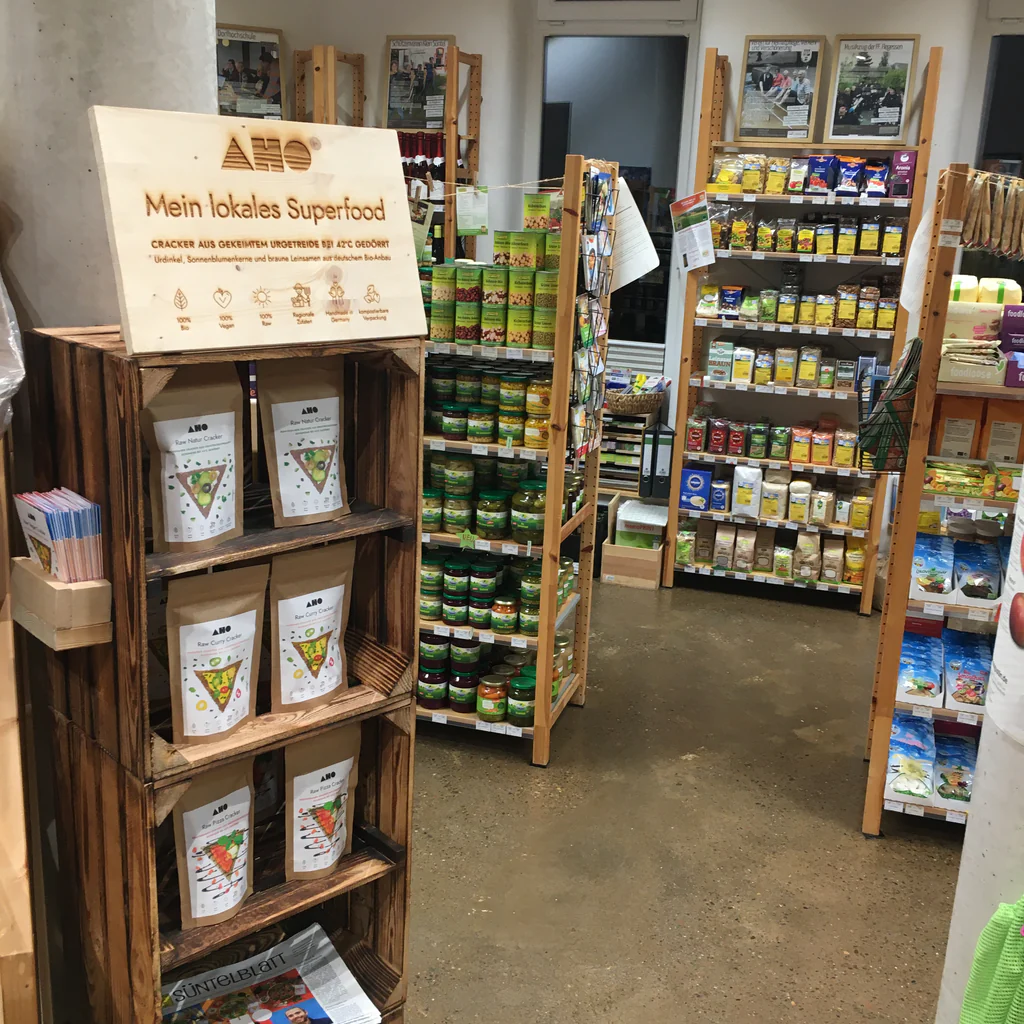 Image 2 of 5
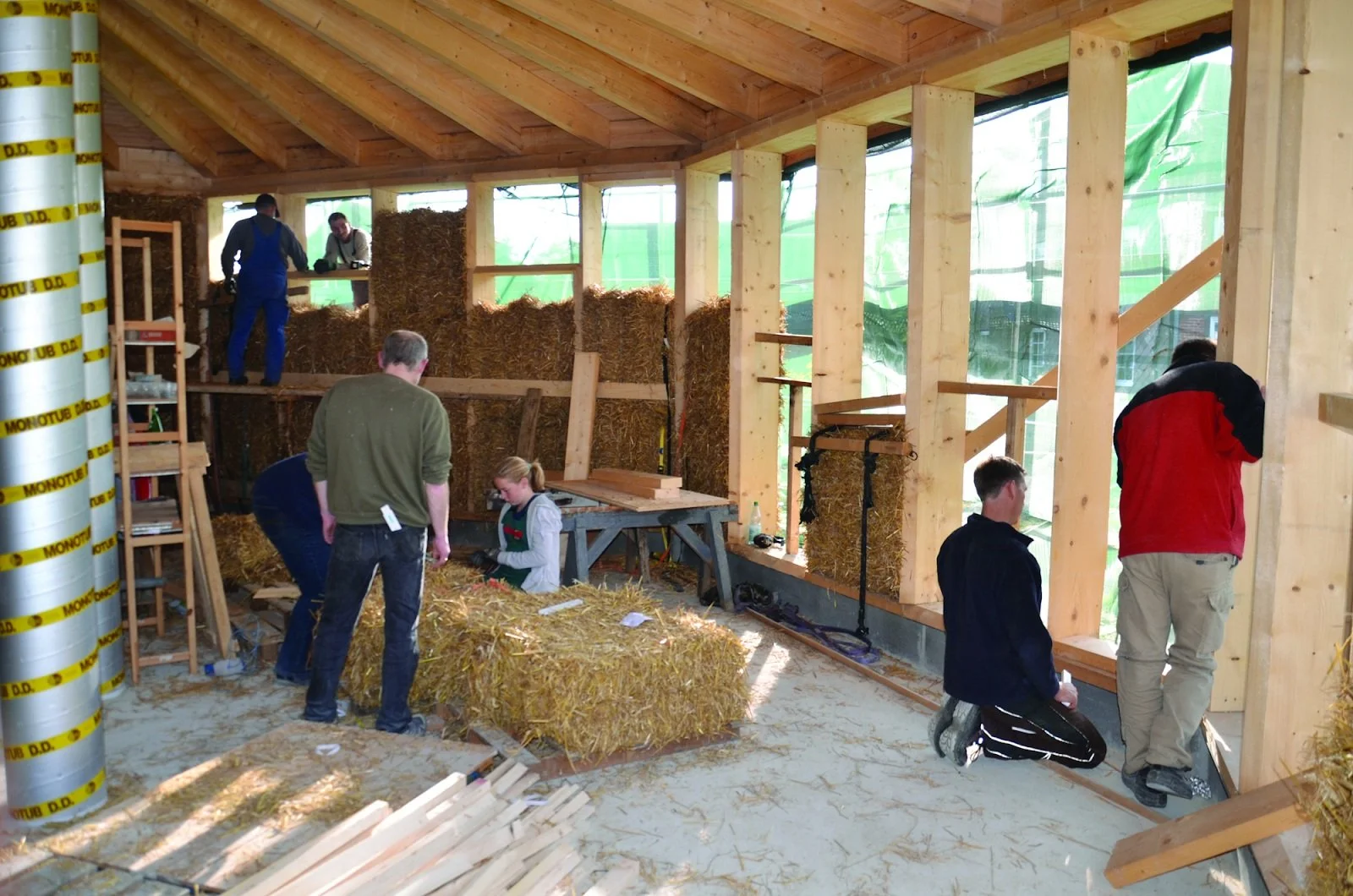 Image 3 of 5
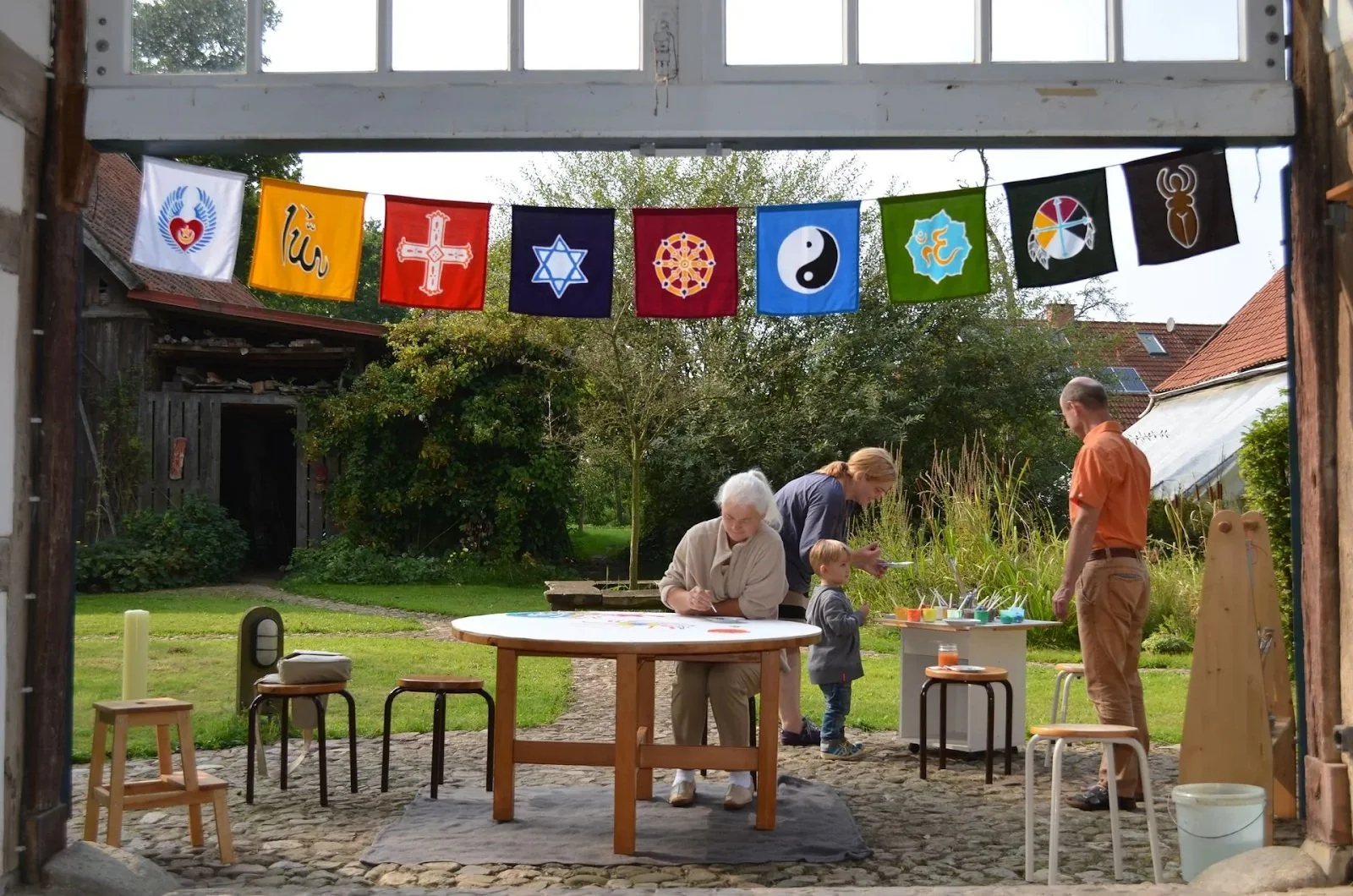 Image 4 of 5
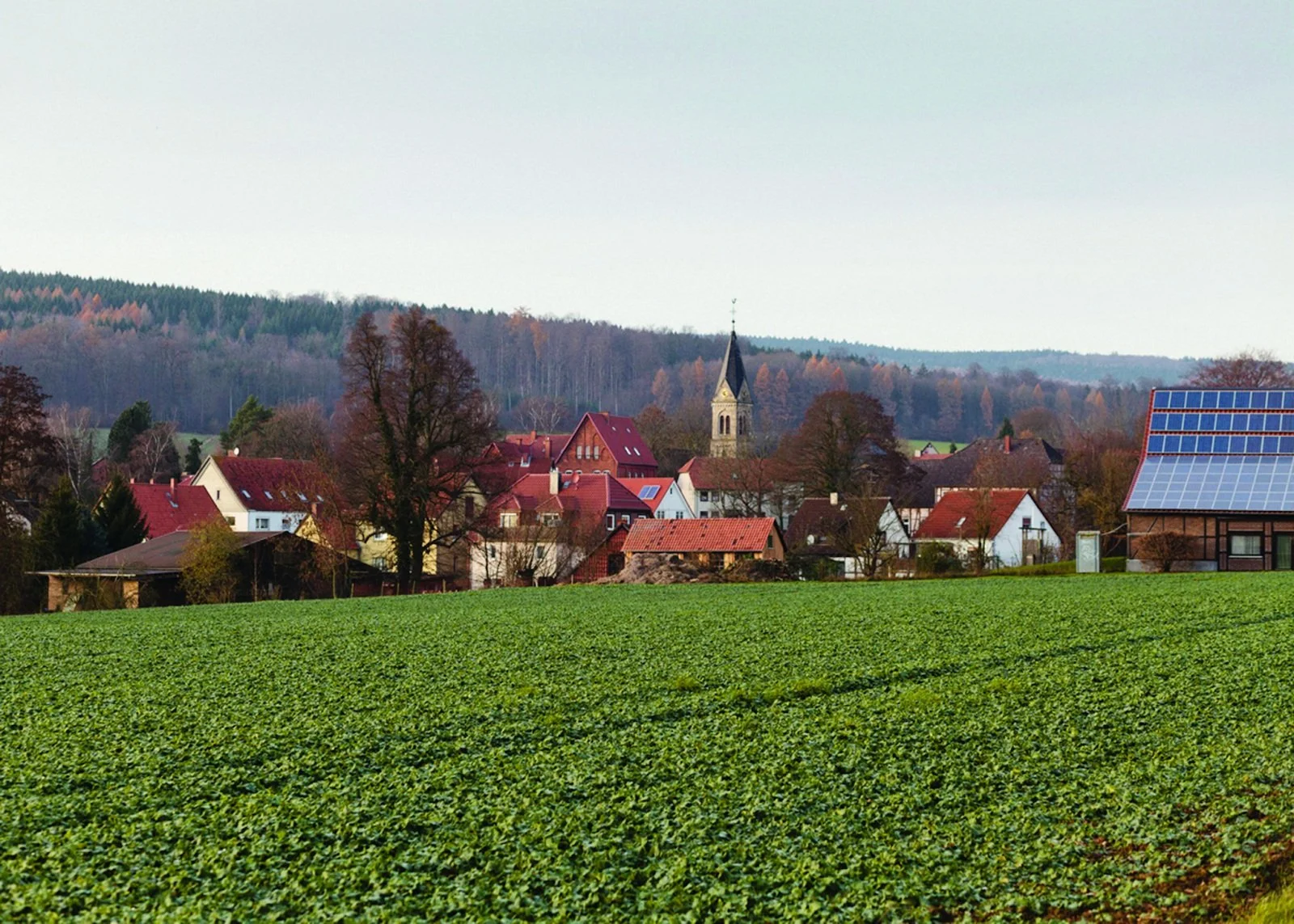 Image 5 of 5
In addition to our host, Lebensgarten Ecovillage, Lower Saxony offers the opportunity to explore diverse forms of communal life - and ICSA will take you there! We will begin early on Tuesday, July 7, gathering for a continental breakfast before boarding a bus together to start the day’s journey. Our visits will include two distinct communities - Flegessen and Friedenshof Arche (described below) - where we will enjoy guided tours and have the opportunity to speak directly with residents who have shaped these unique expressions of communal living. Along the way, we’ll travel through beautiful countryside, share meals, and connect with fellow participants of the 15th International Communal Studies Conference.
Cost for transport & meals: 120 Euros
This opportunity to explore local communities is organized by ICSA on a non-profit basis–any remaining funds at the end of the trip will be donated to the ICSA Pitzer-Oved Community Scholars Award.
Once a small, rural village in an economically and demographically challenged region of Germany, the transition village known as “Fleggesen” has surprised many by growing and flourishing in the last decades. They have applied many innovations common in intentional communities, such as citizen-led governance, circular repair culture, shared mobility, community newspaper, and a volunteer-run organic village shop - all built through a practical, grassroots “ideas workshop” model that other communities have adopted.
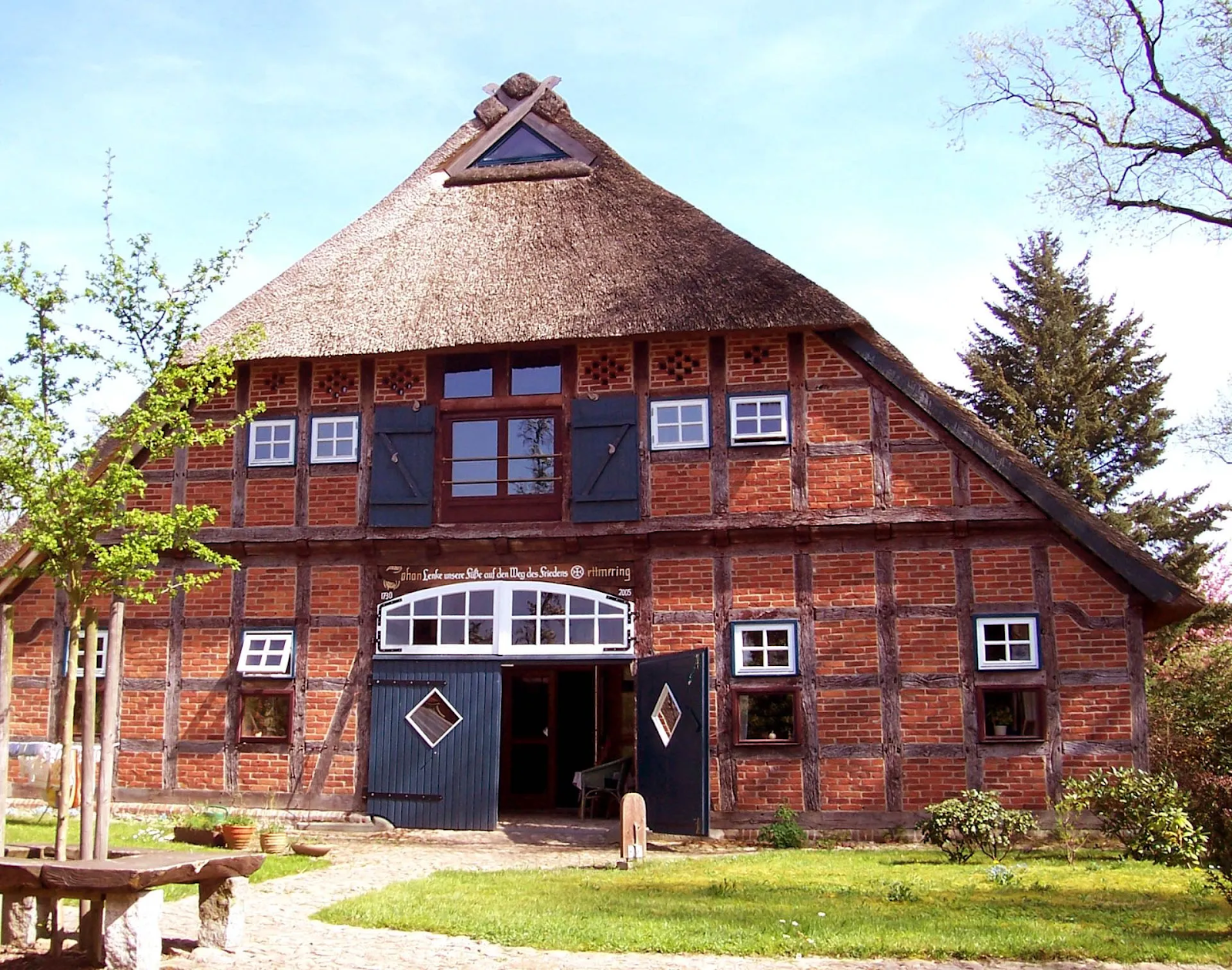
Friedenshof Arche (Peace Farm Ark) in Niedernstöcken gives us an opportunity to visit an active, multi-generational community motivated by a deeply-rooted spirituality and commitment to ecological practice. Founded in the late 1980s and inspired by the non-violent philosophy of Lanza del Vasto (a disciple of Gandhi)—while also drawing on Benedictine, Taizé and Thich Nhat Hanh–inspired practices–the community operates as a “school of life” for their mix of monastic-inspired living for lay people. With a shared economy based on a simple lifestyle and partial self-sufficiency, they have navigated communal life together for over three decades.
In addition to our host, Lebensgarten Ecovillage, Lower Saxony offers the opportunity to explore diverse forms of communal life - and ICSA will take you there! We will begin early on Tuesday, July 7, gathering for a continental breakfast before boarding a bus together to start the day’s journey. Our visits will include two distinct communities - Flegessen and Friedenshof Arche (described below) - where we will enjoy guided tours and have the opportunity to speak directly with residents who have shaped these unique expressions of communal living. Along the way, we’ll travel through beautiful countryside, share meals, and connect with fellow participants of the 15th International Communal Studies Conference.
Cost for transport & meals: 120 Euros
This opportunity to explore local communities is organized by ICSA on a non-profit basis–any remaining funds at the end of the trip will be donated to the ICSA Pitzer-Oved Community Scholars Award.
Once a small, rural village in an economically and demographically challenged region of Germany, the transition village known as “Fleggesen” has surprised many by growing and flourishing in the last decades. They have applied many innovations common in intentional communities, such as citizen-led governance, circular repair culture, shared mobility, community newspaper, and a volunteer-run organic village shop - all built through a practical, grassroots “ideas workshop” model that other communities have adopted.
Friedenshof Arche (Peace Farm Ark) in Niedernstöcken gives us an opportunity to visit an active, multi-generational community motivated by a deeply-rooted spirituality and commitment to ecological practice. Founded in the late 1980s and inspired by the non-violent philosophy of Lanza del Vasto (a disciple of Gandhi)—while also drawing on Benedictine, Taizé and Thich Nhat Hanh–inspired practices–the community operates as a “school of life” for their mix of monastic-inspired living for lay people. With a shared economy based on a simple lifestyle and partial self-sufficiency, they have navigated communal life together for over three decades.